

Overseas Internet
The site provides information about the Internet situation and useful information overseas.


Choosing how to stay online in South Korea isn't a one-size-fits-all decision. A rented Pocket WiFi works well for families and groups, a physical SIM card is the right call for long stays and travelers who need a Korean phone number, and an eSIM is almost always the cleanest option for solo travelers with a modern smartphone. This guide compares Pocket WiFi, physical SIM cards, and eSIMs for travel in South Korea side by side — with current USD pricing (and approximate AUD and GBP), pickup logistics at Incheon, Gimpo, and Gimhae airports, device compatibility for eSIM, and decision shortcuts by travel style. By the end you'll know which option fits your trip, whether you're flying in for a weekend in Seoul or settling in for a month in Busan. Last updated: 2026-06-15
Pocket WiFi vs eSIM vs SIM in South Korea (2026): Which Is Best for Travelers?
2025.08.27
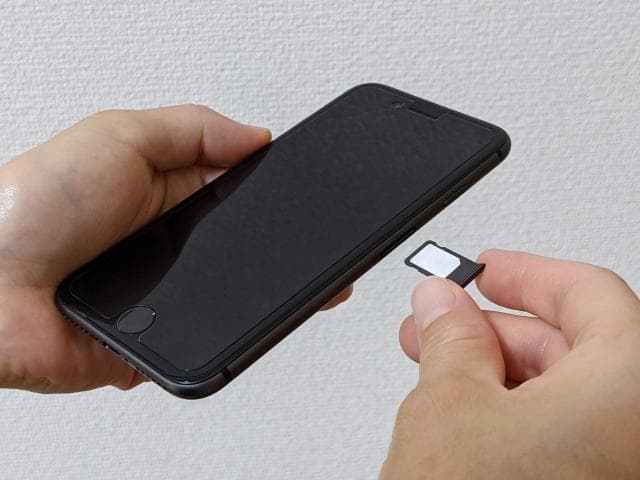
Taiwan is one of the easiest countries in Asia to get online in. All three national carriers sell unlimited-data prepaid cards aimed at tourists, they staff counters in the arrival halls at Taoyuan Airport, and three days of unlimited 5G costs NT$500, roughly US$16. There is one rule that catches visitors out. Taiwan runs a real-name registration system for mobile numbers, and the carriers ask foreign travelers for two identity documents, not one. Most English-language advice compresses that into "bring your passport," which is not what Chunghwa Telecom, Taiwan Mobile and Far EasTone publish on their own pages. This guide covers where the counters are and when they open, the published price of every tourist pass at all three carriers, exactly which documents count as your second ID, whether your US, UK or Australian handset needs unlocking before you fly, and when a travel eSIM is the better call. It also says plainly where the sourcing runs out, including the convenience store claim we could not confirm and the reports that airport counters ask for a passport alone.
Taiwan SIM Card Guide (2026): Where to Buy, Prices, and the Two-ID Rule
2025.06.28

Few countries make staying online as easy as South Korea. Nationwide 5G blankets the country across SK Telecom, KT, and LG U+, central Seoul has citywide free public Wi-Fi, and every major airport sells a prepaid SIM the moment you land. Yet the sheer number of options — roaming, Pocket WiFi, local SIM, travel eSIM, free public Wi-Fi — leaves most first-time visitors unsure which one actually fits their trip. This guide walks through every realistic way to use your phone in South Korea, with current 2026 pricing in USD, AUD, and GBP, the trade-offs of each method, and a simple decision tree for solo travelers, families, business trips, and long stays. By the end, you will know exactly which option to book before you fly — and how to set it up so it works the moment you land at Incheon, Gimpo, or Gimhae. Last updated: 2026-06-15
How to Use Your Phone in South Korea (2026): eSIM, SIM, Roaming & WiFi Compared
2025.06.28
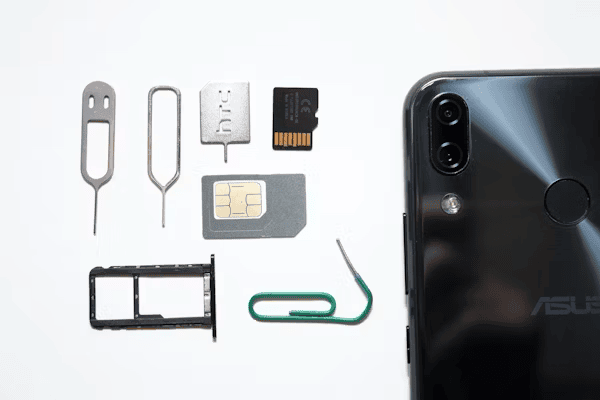
Buying a SIM card in South Korea is straightforward once you know where to look. Travelers have four main channels: airport carrier counters at Incheon, Gimpo, and Gimhae; convenience stores such as GS25, CU, and 7-Eleven; online marketplaces including Amazon, Klook, and KKday; and direct purchase through the official websites of the three major carriers — SK Telecom, KT, and LG U+. This guide walks through each of those options with current pricing, an honest comparison of the three Korean carriers, and a side-by-side look at when an eSIM is a better choice than a physical SIM. By the end you'll know exactly what to do between landing at Incheon and stepping out into Seoul — whether you're on a weekend break or staying for a month. Last updated: 2026-06-15
Where to Buy a SIM Card in South Korea (2026): Airport, Stores & Online Guide
2025.06.28
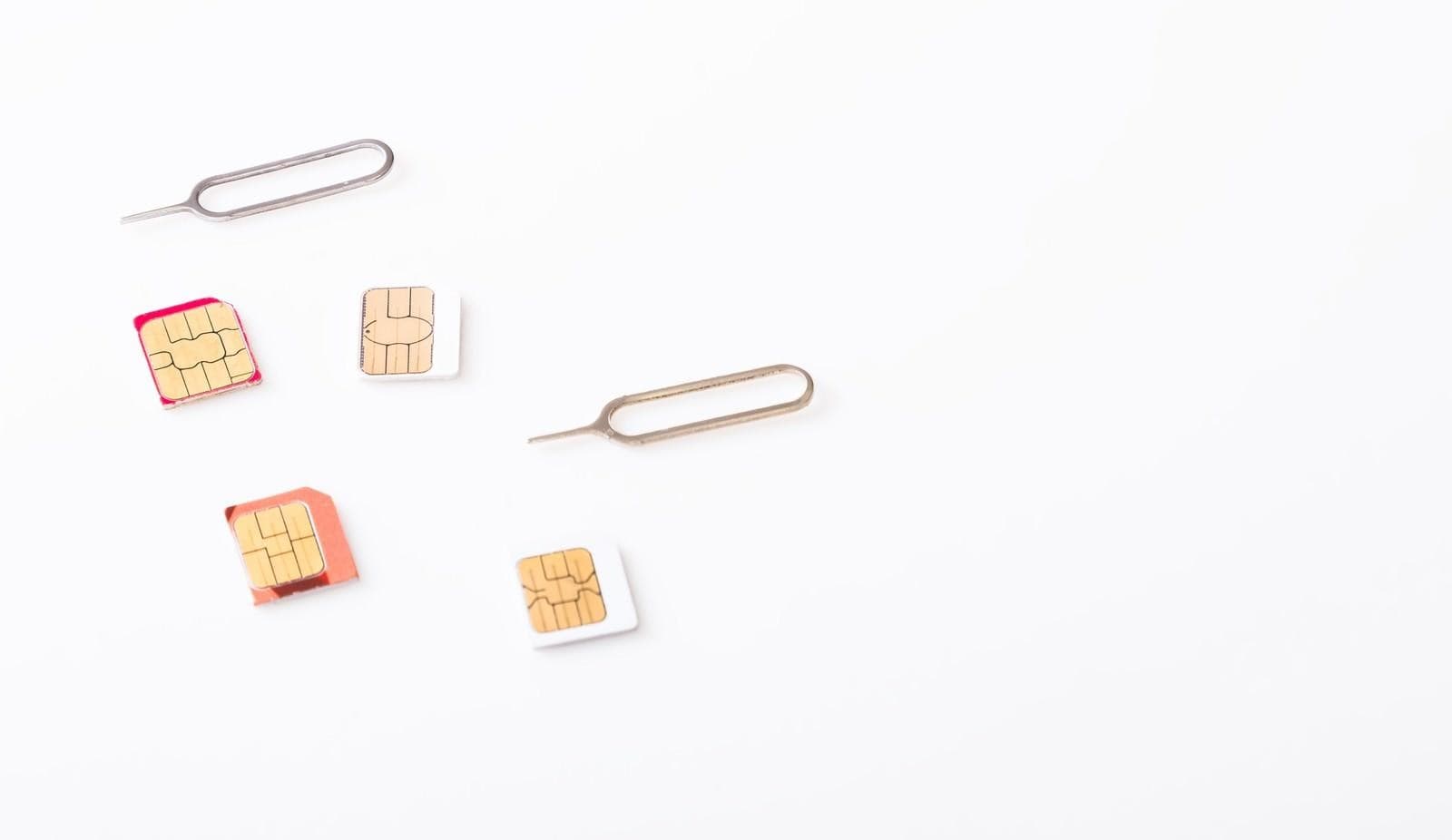
For most travelers heading to South Korea, the two real connectivity options are a physical prepaid SIM card from a Korean carrier — SK Telecom, KT, or LG U+ — and a travel eSIM that activates entirely online. Both run on the same world-class 5G networks (median 5G download speeds top 400 Mbps in nationwide tests) and both cost less than international roaming. This guide walks through the full Korea SIM card decision: how prepaid SIMs work, where to buy them (Incheon, Gimpo, Gimhae airports, online through Klook or KKday, or in-country at CU and GS25 convenience stores), what they actually cost in USD, AUD, and GBP, and exactly how to set one up step by step. We'll also compare them head-to-head with eSIM so you can pick the right option for your phone, trip length, and budget. Last updated: 2026-06-15
South Korea SIM Card Guide (2026): How to Buy, Set Up & Compare to eSIM
2025.06.28
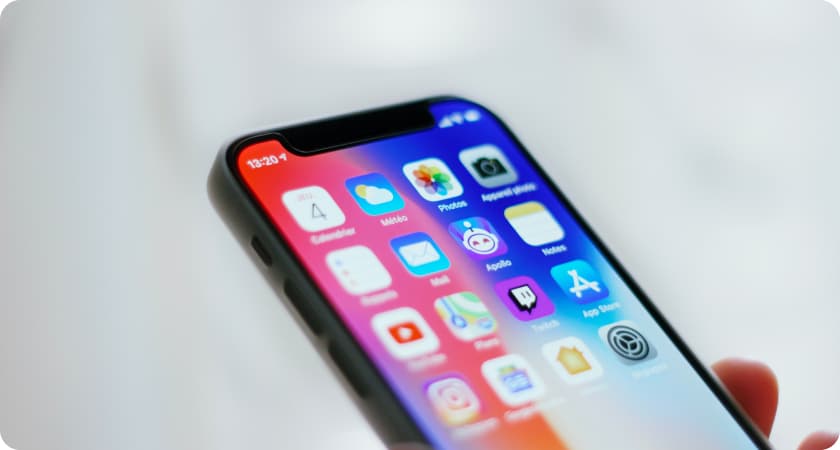
When traveling abroad, smartphones are indispensable for gathering information on transportation, hotels, and restaurants. The use of "eSIM," which has been gaining popularity among international travelers in recent years, allows you to use your smartphone comfortably overseas without the hassle of signing a rental WiFi contract and carrying it around, or having to purchase and replace a SIM card locally. In this article, we will introduce the seven advantages of "eSIM," a new standard for overseas travel, in an easy-to-understand manner for first-time users!
eSIM is recommended for international travel! Here are 7 advantages in a nutshell.
2024.01.07
Search by Category
Overseas Internet
The site provides information about the Internet situation and useful information overseas.
Get trifa and enjoy internet connectivity wherever you go
Only 3 minutes for setup!Get trifa App for FREE!

CHAT BOT
Ask for inquiries about use